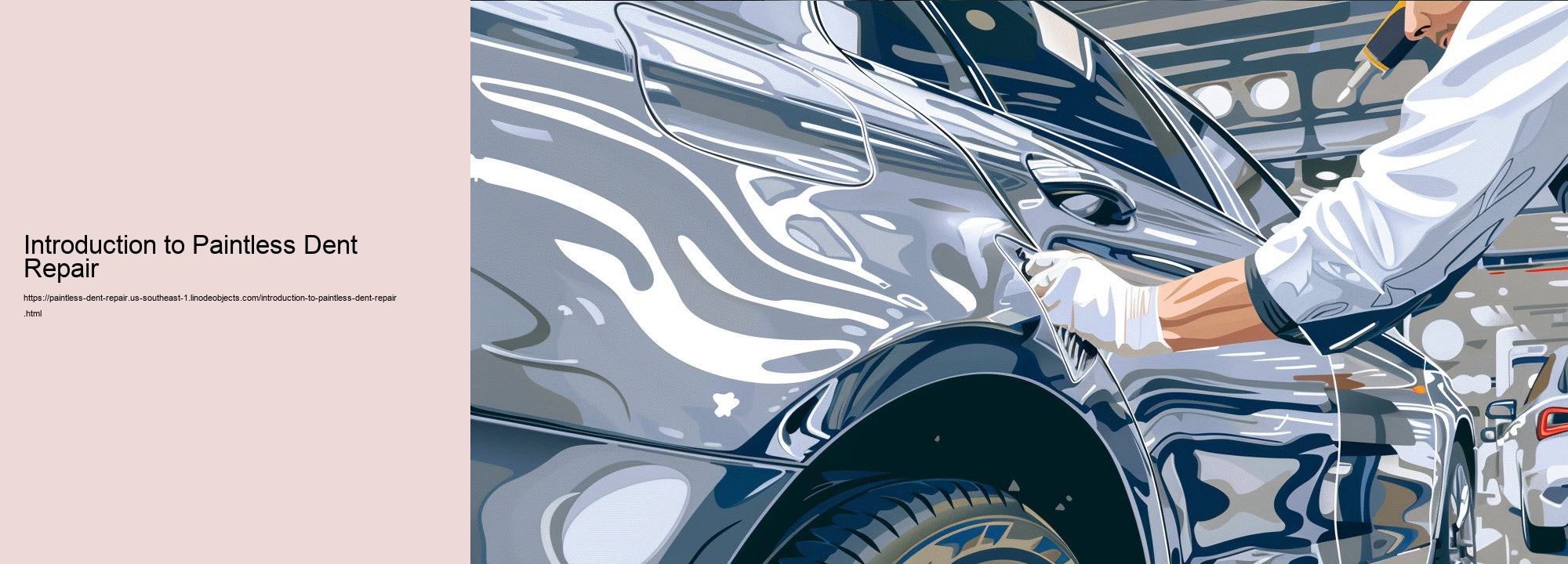
Overview of Paintless Dent Repair (PDR)
Paintless Dent Repair (PDR) is a method used to remove dents and dings from vehicle bodies without the need for traditional bodywork and paint. A Step-by-Step Guide on Performing a Flawless Paintless Dent Repair . This technique involves massaging the dented area from behind using specialized tools, allowing the metal to be reshaped back to its original form.
PDR is a popular choice for minor dents and dings because it is quicker, more cost-effective, and preserves the original factory finish of the vehicle. This method is commonly used by professional technicians who have undergone training and have the necessary skills to perform the repairs.
One of the key advantages of PDR is that it is a non-invasive process that does not require drilling holes or using fillers, making it environmentally friendly and maintaining the structural integrity of the vehicle. Additionally, PDR can be used on a variety of metal surfaces, including aluminum and steel.
Overall, Paintless Dent Repair is a practical and efficient solution for repairing minor dents and dings on vehicles, providing a high-quality finish and preserving the value of the car. It is a preferred method by many car owners and insurance companies due to its effectiveness and affordability.
History of PDR
The history of Paintless Dent Repair (PDR) dates back to the early 20th century when automotive technicians started using metal rods and body picks to push out dents from the inside of car panels. However, the modern form of PDR that we know today was developed in the 1980s by technicians who were looking for a more efficient and cost-effective way to repair dents without having to repaint the entire panel.
PDR gained popularity in the automotive industry due to its ability to preserve the original factory finish of a vehicle while still being able to effectively remove dents and dings. This technique involves using specialized tools and techniques to carefully massage the metal back into its original shape, without the need for fillers or repainting.
Over the years, PDR has evolved and become a widely accepted method of dent repair in the automotive industry. It is now used by car manufacturers, body shops, and even insurance companies as a preferred method for repairing minor dents and dings.
Overall, the history of PDR showcases the innovation and ingenuity of automotive technicians who were able to revolutionize the way we approach dent repair. This technique has not only saved time and money for both technicians and customers, but it has also helped to preserve the value and appearance of vehicles for years to come.
Tools and materials used in PDR
Paintless Dent Repair (PDR) is a method used to remove dents and dings from vehicles without the need for traditional bodywork and repainting. This technique relies on specialized tools and materials to gently push and massage the metal back into its original shape, preserving the vehicle's factory finish.
The tools used in PDR come in a variety of shapes and sizes, each designed for a specific type of dent or ding. These tools include metal rods, hammers, and specialized pulling devices that allow technicians to access hard-to-reach areas of the vehicle's body. Additionally, PDR technicians may use hot glue and plastic tabs to pull out dents from the exterior of the vehicle without causing any damage to the paint.
In addition to tools, PDR technicians also use various materials to aid in the dent removal process. These materials include reflective boards and lights to help identify the precise location and size of the dent, as well as paintless dent repair glue and pulling tabs to gently massage the metal back into place.
Overall, the tools and materials used in PDR are essential for achieving high-quality results while preserving the integrity of the vehicle's original paint job. By using these specialized tools and materials, PDR technicians can effectively remove dents and dings from vehicles quickly and efficiently, providing customers with a cost-effective and non-invasive alternative to traditional bodywork.
Techniques and methods of PDR
Paintless Dent Repair (PDR) is a popular method used to remove dents and dings from vehicle bodies without the need for repainting or body filler. This technique is widely used in the automotive industry to restore the appearance of vehicles quickly and efficiently.
There are various techniques and methods used in PDR to achieve the desired results. One common method is the use of specialized tools such as metal rods and body picks to gently push the dent out from the inside of the panel. This method requires skill and precision to ensure that the dent is removed without causing any damage to the surrounding paint.
Another technique used in PDR is the use of glue pulling. This method involves applying hot glue to a plastic tab and then attaching it to the dent. Once the glue has cooled, a pulling tool is used to gradually pull the dent out. This method is effective for smaller dents and dings.
In addition to these techniques, PDR technicians may also use techniques such as tapping down and blending to smooth out the repair and restore the panel to its original shape. These techniques require a keen eye for detail and a steady hand to ensure a seamless finish.
Overall, the techniques and methods used in PDR require a combination of skill, experience, and specialized tools to achieve the best results. By utilizing these techniques, PDR technicians can effectively restore the appearance of vehicles and provide customers with a cost-effective alternative to traditional dent repair methods.
Benefits of using PDR
Paintless Dent Repair (PDR) is a revolutionary technique that has transformed the way we approach fixing dents and dings on our vehicles. This method offers a wide range of benefits that make it a popular choice for car owners looking to restore their vehicle's appearance without breaking the bank.
One of the main advantages of using PDR is its cost-effectiveness. Traditional dent repair methods can be expensive, as they often require repainting the affected area and can take a lot of time to complete. PDR, on the other hand, is a much quicker and more affordable option, as it does not involve the use of paint or other costly materials.
Another benefit of PDR is its convenience. Since this technique does not require any sanding, filling, or repainting, the process can typically be completed in just a few hours. This means that you can have your vehicle looking like new again in no time, without having to wait days or even weeks for the repairs to be finished.
PDR is also a more environmentally friendly option compared to traditional dent repair methods. Because no harsh chemicals or paints are used during the process, there is minimal impact on the environment. This makes it a great choice for those who are looking to reduce their carbon footprint and make more sustainable choices for their vehicle repairs.
In conclusion, the benefits of using PDR are numerous, including cost-effectiveness, convenience, and environmental friendliness. If you're looking to restore your vehicle's appearance quickly and affordably, PDR is definitely worth considering.
Common applications of PDR
Paintless Dent Repair (PDR) is a popular technique used to fix minor dents and dings on the body of a vehicle without the need for repainting. This method is commonly used in various applications, such as repairing hail damage, door dings, and minor creases caused by parking lot mishaps.
One common application of PDR is in the automotive industry, where car owners and dealerships rely on this method to restore the appearance of their vehicles. PDR is a cost-effective and time-efficient solution compared to traditional auto body repair, as it eliminates the need for sanding, filling, and repainting the damaged area.
Another popular application of PDR is in the insurance industry, particularly in handling claims related to hail damage. Insurance companies often prefer PDR for hail damage repairs because it is a non-invasive process that preserves the original factory finish of the vehicle. This helps maintain the resale value of the car and reduces the overall cost of repairs for both the insurance company and the policyholder.
Additionally, PDR is commonly used by car rental companies and fleet owners to maintain the appearance of their vehicles and ensure maximum resale value. By regularly employing PDR services to address minor dents and dings, these businesses can keep their fleet looking new and attractive to potential customers.
In conclusion, Paintless Dent Repair is a versatile technique that offers numerous benefits in various applications, including automotive repair, insurance claims, and fleet maintenance. Its ability to effectively restore the appearance of a vehicle without the need for repainting makes it a popular choice for those looking for a quick, cost-effective, and non-invasive solution to minor dents and dings.
Training and certification in PDR
Training and certification in Paintless Dent Repair (PDR) is essential for individuals looking to excel in the field of automotive repair. PDR is a specialized technique used to remove dents and dings from vehicle panels without the need for traditional bodywork methods like sanding, filling, and painting.
By undergoing training and obtaining certification in PDR, technicians can enhance their skills and knowledge of the intricate process involved in restoring a vehicle's exterior to its original condition. This specialized training allows professionals to effectively assess damage, select the appropriate tools, and perform the necessary techniques to achieve flawless results.
Furthermore, certification in PDR not only validates a technician's expertise but also instills confidence in customers seeking quality repairs for their vehicles. With certification, technicians can showcase their commitment to excellence and professionalism in the industry, ultimately attracting more clients and opportunities for growth.
In conclusion, training and certification in PDR are vital components for technicians looking to establish themselves as experts in the field of automotive repair. By investing in comprehensive training and obtaining certification, professionals can set themselves apart from the competition and build a successful career in the rewarding industry of Paintless Dent Repair.
Future trends in the PDR industry
Paintless Dent Repair (PDR) has been a game-changer in the automotive industry, offering a cost-effective and efficient solution for fixing minor dents and dings without the need for repainting. As technology continues to advance, the future of PDR looks promising with several trends on the horizon.
One of the most significant future trends in the PDR industry is the integration of artificial intelligence and machine learning algorithms. These technologies will enable technicians to accurately assess and repair dents with greater precision and efficiency. By analyzing data from previous repairs, AI-powered tools can recommend the best techniques and tools to use for each specific dent, leading to faster turnaround times and higher-quality repairs.
Another trend that is expected to shape the future of PDR is the development of new materials and techniques. As car manufacturers continue to innovate and introduce new lightweight materials in vehicle production, PDR technicians will need to adapt and learn new repair methods to effectively work on these materials. Additionally, advancements in tool design and technology will allow for more complex repairs to be performed with ease, expanding the capabilities of PDR services.
Furthermore, the increasing focus on environmental sustainability is also likely to impact the PDR industry. As consumers become more conscious of their carbon footprint, there will be a growing demand for eco-friendly repair solutions. PDR, with its minimal use of chemicals and reduced waste compared to traditional bodywork, is well-positioned to meet this demand and attract environmentally-conscious customers.
In conclusion, the future of the PDR industry is bright, with advancements in technology, materials, and sustainability paving the way for growth and innovation. By embracing these trends, PDR technicians can stay ahead of the curve and continue to provide high-quality repairs for years to come.